Temperature-sensitive food does not fail only when a refrigeration system breaks down. It can also fail when no one can prove what happened during the trip. A reliable transport temperature record helps food distributors, carriers, warehouses, and quality teams verify conditions, investigate excursions, and respond to customer or audit requests with confidence.

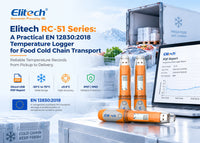
The Elitech RC-51 Series is a compact, pen-shaped temperature data logger family designed for food cold chain transport. With an EN 12830:2018-focused design, direct USB PDF reporting, a wide measurement range, and both temperature and temperature-humidity options, the RC-51 Series gives North American cold chain teams a practical way to document conditions from pickup to delivery.
Why EN 12830:2018 Matters for Food Cold Chain Teams
EN 12830:2018 is a European standard titled Temperature recorders for the transport, storage and distribution of temperature-sensitive goods - Tests, performance, suitability. It focuses on the performance and suitability of temperature recording instruments used in temperature-controlled logistics.
In practical terms, the standard helps buyers compare temperature recorders in areas such as:
· Temperature measurement performance and documented accuracy
· Suitability for transport, storage, and distribution environments
· Reliable time-stamped data recording
· Data retrieval, traceability, and reporting
· Mechanical and environmental robustness
· Clear product information and appropriate use
EN 12830:2018 is not a product-specific storage rule. It does not say that every refrigerated food must be kept at one universal temperature. Product temperature limits still come from food safety regulations, customer specifications, product labels, shelf-life studies, and company quality procedures.
It is also important to distinguish standards from laws. EN 12830:2018 is a European standard, not a U.S. federal regulation. In North America, it is most useful as a recognised technical benchmark. Food shippers, carriers, retailers, and auditors may reference it directly, or they may apply local requirements such as the FDA Sanitary Transportation Rule and customer-specific cold chain protocols. Used correctly, an EN 12830-aligned logger supports due diligence. It does not replace the full compliance program.
Meet the Elitech RC-51 Series
The RC-51 Series is built around a simple idea: make transport temperature recording easy to deploy, easy to read, and easy to share.
Its pen-shaped cylindrical housing fits naturally into cartons, insulated shipping boxes, reefers, cold storage transfers, and mixed-load distribution operations. The design is compact enough to travel with the shipment, while the protected USB connector makes end-of-trip data retrieval straightforward.
The series includes:
· Temperature model: Ideal for routine refrigerated and frozen food transport recording, with IP67 protection.
· Temperature and humidity model: Adds humidity visibility for products and routes where moisture conditions matter, with IP65 protection.
Both versions support a wide operating range of -30°C to 70°C (-22°F to 158°F). That range covers common chilled, frozen, ambient, and short-duration handling conditions in food logistics.
RC-51 Series Specifications at a Glance

For North American buyers, the Fahrenheit conversion is important. A specification of ±0.5°C is approximately ±0.9°F, while ±1°C is approximately ±1.8°F. During the core -20°C to 40°C range, the RC-51 temperature performance is designed around the tighter tolerance.
How the RC-51 Series Supports EN 12830:2018 Objectives
1. Measurement performance that is easy to understand
Temperature accuracy is one of the first things a cold chain buyer checks. The RC-51 Series provides a clearly stated accuracy profile: ±0.5°C from -20°C to 40°C and ±1°C outside that range. This makes it easier for quality teams to compare the logger with route requirements, customer agreements, and internal acceptance criteria.
The wide -30°C to 70°C range also makes one logger family usable across chilled, frozen, and ambient handling conditions, reducing the need to manage several different device types.
2. Flexible recording for different transport durations
Not every shipment needs the same recording frequency. A short last-mile delivery may need frequent readings, while a long interprovincial or cross-border truckload may only require readings every few minutes.
The RC-51 Series supports an adjustable interval from 10 seconds to 24 hours. That flexibility allows teams to balance data resolution, memory capacity, and trip duration. As a practical starting point, many food cold chain operations use intervals between 1 and 15 minutes, but the correct setting should follow the product risk assessment and customer requirements.
3. Up to 32,000 readings for meaningful trip coverage
With capacity for up to 32,000 readings, the RC-51 Series can document long routes and multi-day cold chain movements. The actual coverage depends on the selected recording interval and whether the unit is recording temperature only or both temperature and humidity.
This capacity helps avoid the common problem of a logger running out of memory before the shipment reaches its destination.
4. Data retrieval that supports traceability
EN 12830 emphasises instrument performance and suitability, but real-world cold chain quality work also depends on how quickly a team can retrieve and share the record.
With the RC-51 Series, the shipment arrives, the transparent protective cover is removed, and the logger is plugged directly into a computer. A PDF data report can be read without dedicated report software. For teams handling multiple deliveries, this reduces training time, avoids software installation on every workstation, and makes it easier to attach evidence to claims, CAPA records, or customer files.
5. Environmental protection for transport conditions
Condensation, dust, spills, and temporary contact with water are realistic risks in food logistics. The temperature model carries an IP67 rating, while the temperature and humidity model carries an IP65 rating.
IP67 means protection against dust ingress and temporary immersion under defined test conditions. IP65 means protection against dust ingress and low-pressure water jets. These ratings make the RC-51 Series suitable for a broad range of refrigerated and frozen transport environments, provided the device is used within its stated specifications.
Built for Food Cold Chain Transport
The RC-51 Series is especially relevant for food logistics teams that need documented temperature evidence without adding complex infrastructure.
Typical applications include:
· Refrigerated trucking and less-than-truckload food distribution
· Frozen food shipments and cold storage transfers
· Meat, poultry, seafood, and prepared food transport
· Dairy, produce, and perishable grocery distribution
· Meal kit and e-commerce food delivery
· Insulated container and cold box shipments
· Warehouse-to-store and distribution-center-to-customer movements
· Quality investigations, route trials, and carrier qualification
Because the logger is compact and pen-shaped, it can travel inside the load rather than only monitoring the air near the trailer door. The right placement still depends on the product, packaging, and route, but the small housing gives teams more options for representative monitoring.
A Simple End-of-Trip Workflow
The RC-51 Series is designed for a straightforward operational workflow:
1. Configure the logger with the free Elitech software. Set the recording interval, time, and other parameters required by the shipment.
2. Place the logger in a representative position inside the refrigerated or frozen shipment.
3. Transport the goods while the logger records temperature, or temperature and humidity on the RC-51 humidity model.
4. Retrieve the logger at the end of the trip.
5. Remove the transparent protective cover and plug the logger directly into a computer.
6. Open the PDF report without installing report-reading software.
7. Archive the record according to your company, customer, and regulatory retention requirements.
The configuration software remains available when settings need to be changed. This split workflow is practical: use software when preparing the device, but use the direct USB PDF report when the priority is fast access to trip data.
Why Direct USB PDF Reporting Is a Real Operational Advantage
For high-volume food distribution, the hardest part of temperature monitoring is often not the sensor. It is the administrative work after the truck arrives.
Drivers may not have the right software. Receiving teams may use different computers. Quality managers may need a report immediately when a customer disputes a delivery. Direct USB PDF reporting removes several common points of friction:
· No report-reading software is needed for the receiving team
· Fewer steps between delivery and evidence review
· Easier file sharing with customers, carriers, and auditors
· Faster response when a temperature concern is raised
· Less training needed for staff who only need to retrieve the report
· A practical backup method when cloud connectivity is unavailable
The RC-51 Series does not require a network connection to produce its trip record. That makes it a strong fit for regional carriers, independent distributors, and food logistics teams that want reliable documentation without depending on cellular coverage or cloud access.
What the RC-51 Series Does Not Replace
A good data logger is one part of a controlled cold chain process. The RC-51 Series is designed to meet key EN 12830:2018-oriented performance and suitability needs, but it should be used within a broader quality system.
It does not replace:
· Product-specific temperature requirements
· Initial and periodic calibration or verification
· Written procedures for logger placement and handling
· Excursion investigation and corrective action
· Record retention and data review requirements
· Carrier qualification and route risk assessment
· Applicable FDA, USDA, CFIA, state, provincial, or local rules
· Customer, retailer, and third-party audit requirements
Before placing a logger into service, confirm the required measurement range, accuracy, recording interval, report format, calibration process, and documentation expectations. For high-risk food shipments, validate the complete monitoring method with the actual packaging, route, and handling conditions.
Who Should Consider the Elitech RC-51 Series?
The RC-51 Series is a good fit for teams that need a portable, rugged, and easy-to-read temperature record for food shipments.
It is especially relevant for:
· Food manufacturers and processors shipping temperature-sensitive products
· Third-party logistics providers and refrigerated carriers
· Grocery distributors and cold storage operators
· Meat, seafood, dairy, and prepared food suppliers
· Meal kit, catering, and food e-commerce businesses
· Quality managers who need simple PDF evidence at receiving
· Operations testing new routes, packaging, or carriers
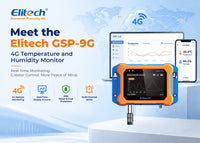
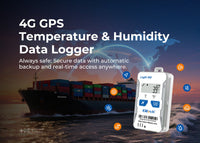
If the shipment requires remote real-time alarms, cloud dashboards, or multi-site live monitoring, a connected monitoring platform may be a better fit. If the priority is a dependable trip record with direct USB PDF access, the RC-51 Series offers a focused solution.
Frequently Asked Questions
Is EN 12830:2018 mandatory in the United States?
No. EN 12830:2018 is a European standard, not a U.S. federal regulation. It may still be referenced by customers, global quality systems, carriers, retailers, or audit programs as a technical benchmark.
Do I need software to read the RC-51 PDF report?
No report-reading software is required. After the trip, remove the transparent protective cover and plug the logger directly into a computer to access the PDF data report. The free Elitech software is used when you need to configure parameters.
Is the RC-51 Series suitable for frozen food transport?
Yes. The temperature range extends to -30°C (-22°F), making it suitable for many frozen food transport applications. Selection should still be based on the actual product temperature, route duration, required accuracy, and customer specifications.
Which protection rating applies to each model?
The temperature model supports IP67 protection. The temperature and humidity model supports IP65 protection.
What recording interval should I use?
The RC-51 Series allows settings from 10 seconds to 24 hours. Common food cold chain intervals range from 1 to 15 minutes, but the best interval depends on trip length, product risk, customer requirements, and available memory.
Does an EN 12830-aligned logger guarantee food safety compliance?
No. It supports temperature documentation and instrument performance, but compliance also depends on correct product temperature limits, calibration, procedures, data review, corrective actions, and applicable regulations.
Final Thoughts
Food cold chain transport depends on evidence. When a shipment arrives, the business needs to know not only that the goods look acceptable, but also what temperature conditions they experienced along the way.
The Elitech RC-51 Series combines an EN 12830:2018-focused design with the practical features food logistics teams ask for: a wide -30°C to 70°C range, ±0.5°C accuracy in the core -20°C to 40°C range, adjustable intervals from 10 seconds to 24 hours, up to 32,000 readings, IP67 or IP65 protection, and direct USB PDF reporting without report-reading software.
For refrigerated and frozen food transport, it delivers a simple proposition: configure it, send it with the load, retrieve it at delivery, and get a shareable temperature record without unnecessary software steps.
Need a dependable EN 12830:2018-oriented temperature logger for food cold chain transport?
👉Explore the Elitech RC-51 Series, request a specification sheet, or contact our cold chain team for help selecting the right model.
Compliance Note
EN 12830:2018 is a European standard. It is not itself a U.S. federal regulation. Product performance claims should be supported by the applicable test documentation. Users are responsible for validating the logger for their specific product, route, packaging, quality system, and local legal requirements. Calibration and periodic verification requirements may vary by customer and application.