
We use the phrase “comfort zone” casually in everyday life, but in the world of HVAC, it has a precise, well-researched meaning. Human comfort indoors is not simply about temperature. It is the product of several interacting environmental variables — temperature, humidity, air movement, and air quality — all of which must be carefully balanced to create a space where people feel well, work productively, and stay healthy.
This article explores what defines the thermal comfort zone, why humidity plays an equally important role as temperature, and what “indoor air quality” really means and why it matters more than most people realise.

What Is Thermal Comfort?
Thermal comfort is defined by ASHRAE (the American Society of Heating, Refrigerating and Air-Conditioning Engineers) as the condition of mind that expresses satisfaction with the thermal environment. In practice, this means the point at which a person neither feels too hot nor too cold and is not consciously aware of their thermal surroundings at all.
Achieving this state is more complex than simply setting a thermostat. Thermal comfort is influenced by six key factors, which ASHRAE divides into two categories:
Environmental Factors
- Air temperature: The dry-bulb temperature of the surrounding air, typically the most familiar variable to building occupants.
- Radiant temperature: The heat emitted by surrounding surfaces such as walls, windows, floors, and ceilings. A room can feel cold even at 72°F if the walls or windows are cold.
- Air velocity: The speed at which air moves through the occupied space. Excessive air movement can cause a cooling “draft” sensation even at comfortable temperatures.
- Humidity: The moisture content of the air, which directly affects how the body regulates its own temperature through perspiration.
Personal Factors
- Metabolic rate: The amount of heat the body generates based on activity level. A person at rest generates significantly less heat than someone engaged in physical labour, meaning their comfort requirements differ.
- Clothing insulation: The thermal resistance provided by the occupant’s clothing. Seasonal dress codes in offices, for example, directly affect what temperature settings feel comfortable.
Because these factors vary between individuals, no single temperature will satisfy every person in a shared space. This is why HVAC design aims for a range of conditions that satisfy the greatest possible proportion of occupants, rather than a single fixed point.
The Recommended Temperature Range
For sedentary activity, such as working at a desk or relaxing at home, the generally accepted comfort range for air temperature is between 68°F and 75°F (20°C to 24°C). ASHRAE Standard 55, the primary standard governing thermal comfort in occupied spaces, defines slightly different ranges for summer and winter conditions to account for seasonal clothing habits:
- Winter comfort range: 68°F – 74°F (20°C – 23°C), when occupants typically wear heavier clothing.
- Summer comfort range: 73°F – 79°F (23°C – 26°C), when occupants typically wear lighter clothing.
Temperatures below 68°F (20°C) will cause most people to feel uncomfortably cool, reducing concentration and productivity. Temperatures above 79°F (26°C) increase physiological stress, accelerate fatigue, and in vulnerable populations, the elderly, the very young, or those with certain medical conditions, can pose genuine health risks.


The Role of Humidity in Human Comfort
Temperature alone does not determine how comfortable a space feels. Humidity, the amount of water vapour present in the air, has an equally significant influence on perceived comfort and on health. The relationship between temperature and humidity is what makes a 90°F day in Arizona feel bearable while the same temperature in Florida feels oppressive.
Relative Humidity and the Comfort Range
Relative humidity (RH) expresses the amount of moisture in the air as a percentage of the maximum it can hold at that temperature. The recommended comfort range for relative humidity in occupied spaces is between 30% RH and 60% RH. This range is not arbitrary — it reflects the conditions under which the human body’s natural cooling mechanism, perspiration, functions most effectively.
When humidity falls below 30% RH, the air becomes too dry. Occupants may experience dry skin, irritated eyes, scratchy throats, and increased susceptibility to respiratory infections. Low humidity also causes static electricity buildup, which can damage sensitive electronics, and can cause wooden furniture, flooring, and structural elements to dry out and crack. This is a particular concern in cold climates during winter, when heating systems actively dry the indoor air.
When humidity rises above 60% RH, the air becomes muggy and uncomfortable. High humidity slows the evaporation of perspiration from the skin, impairing the body’s ability to cool itself and making warm temperatures feel significantly hotter than they are. More critically, sustained high humidity creates the conditions under which mould, mildew, and dust mites thrive, all of which have serious implications for both building integrity and occupant health.


Seasonal Humidity Challenges
Humidity control is a year-round challenge. In summer, air conditioning systems naturally dehumidify the air as part of the cooling process, as moisture condenses on the cold evaporator coil. In winter, heating the air lowers its relative humidity, often requiring active humidification to keep levels within the comfort range. Buildings in humid climates may also require dedicated dehumidification equipment during transitional seasons when the outdoor air is warm and moist. Still, the building is not yet in full cooling mode.
Indoor Air Quality: Beyond Temperature and Humidity
Indoor air quality (IAQ) refers to the overall condition of the air within a building as it relates to the health and comfort of its occupants. The U.S. Environmental Protection Agency (EPA) has identified poor indoor air quality as one of the top five environmental health risks, noting that Americans spend approximately 90% of their time indoors, where concentrations of certain pollutants can be two to five times higher than typical outdoor levels.
Common Indoor Air Pollutants
Indoor air quality is affected by a wide range of contaminants, which fall into several broad categories:
- Particulate matter: Dust, pollen, pet dander, mold spores, and combustion particles from cooking or candles. Fine particles (PM2.5) are small enough to penetrate deep into the lungs and are associated with respiratory and cardiovascular disease.
- Biological contaminants: Bacteria, viruses, mold, and dust mites. These thrive in warm, humid environments and are a primary driver of allergic reactions, asthma, and infectious illness in buildings.
- Volatile organic compounds (VOCs): Chemical gases emitted by paints, cleaning products, adhesives, furniture, and building materials. Common VOCs include formaldehyde, benzene, and toluene. Long-term exposure to elevated VOC levels is associated with a range of health effects, including headaches, liver damage, and in some cases, increased cancer risk.
- Carbon dioxide (CO₂): Exhaled by occupants, CO₂ accumulates in poorly ventilated spaces. While not directly toxic at typical indoor levels, elevated CO₂ concentrations (above approximately 1,000 ppm) are associated with reduced cognitive function, drowsiness, and impaired decision-making — a common complaint in crowded offices and classrooms.
- Carbon monoxide (CO): A colourless, odorless gas produced by the incomplete combustion of fuels. CO is highly toxic and potentially fatal at elevated concentrations, making proper ventilation around combustion appliances (furnaces, water heaters, gas ranges) essential.
- Radon: A naturally occurring radioactive gas that enters buildings from the ground. Radon is the second leading cause of lung cancer in the United States and is a particular concern in basements and lower floors in certain geographic regions.

How HVAC Systems Address Indoor Air Quality
A well-designed and properly maintained HVAC system is the primary tool for managing indoor air quality. It does so through three main mechanisms:
- Ventilation: Introducing fresh outdoor air dilutes the concentration of CO₂, VOCs, and other contaminants generated indoors. ASHRAE Standard 62.1 specifies minimum ventilation rates for different building types and occupancy levels to ensure acceptable air quality.
- Filtration: Air filters capture particulate matter as air circulates through the system. Filter efficiency is rated by the MERV (Minimum Efficiency Reporting Value) scale, ranging from MERV 1 (basic fibreglass filters that capture large particles) to MERV 16 and above (high-efficiency filters used in hospitals and cleanrooms). Upgrading from a standard MERV 4–6 filter to a MERV 11–13 filter can significantly reduce the concentration of fine particles and allergens in the indoor air.
- Humidity control: As discussed above, maintaining relative humidity within the 30–60% RH range inhibits the growth of biological contaminants and reduces the concentration of certain chemical pollutants that are more volatile at higher temperatures and humidity levels.
In addition to these core functions, more advanced HVAC systems may incorporate ultraviolet (UV) germicidal lamps to neutralise airborne pathogens, energy recovery ventilators (ERVs) to bring in fresh air without sacrificing energy efficiency, and CO₂ sensors to modulate ventilation rates dynamically based on actual occupancy, a strategy known as demand-controlled ventilation (DCV).
Practical Steps to Maintain a Healthy Indoor Environment
For homeowners and building managers alike, several straightforward measures can make a meaningful difference to both comfort and air quality:
- Change HVAC filters regularly, typically every 1 to 3 months depending on usage, filter type, and the presence of pets or allergy sufferers in the space.
- Keep humidity levels between 30% and 60% RH year-round. A simple digital hygrometer (available for under $20) allows you to monitor conditions and take corrective action when needed.
- Ensure adequate ventilation, particularly in kitchens, bathrooms, and any space where combustion appliances are in use. Never block or seal ventilation openings.
- Schedule annual HVAC maintenance to ensure the system is clean, properly charged, and operating as designed. A poorly maintained system can become a source of contamination rather than a solution to it.
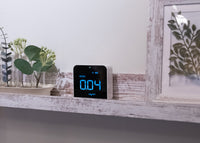
- Consider an air quality monitor for spaces with high occupancy or where vulnerable individuals (children, the elderly, those with respiratory conditions) spend significant time.
- In new construction or major renovations, specify low-VOC paints, adhesives, and flooring materials to reduce off-gassing at the source.
Final Thoughts
The thermal comfort zone is more than a temperature setting on a thermostat. It is the product of a carefully maintained balance between temperature, humidity, air movement, and air quality, all of which interact with one another and with the people who occupy the space. Understanding these relationships is the foundation of informed decision-making about HVAC systems, whether you are choosing equipment for a new build, troubleshooting a comfort complaint, or evaluating the health environment of a building you manage.
In our next article, we take a closer look at how HVAC systems actually work: walking through the refrigeration cycle step by step and explaining the role each component plays in moving heat into or out of a building.






2 Comment
Great insights! Temperature, humidity, and indoor air quality all play an important role in creating a comfortable, healthy, and enjoyable indoor environment. https://www.omaharadonpros.com/
By Omaha Radon Pros
Sep 14, 2026
Great explanation! Maintaining the right balance of temperature, humidity, and indoor air quality creates a healthier and more comfortable home. Don’t forget that testing for radon is another key part of improving your indoor environment. Learn more at https://www.radoncolumbusohio.com/
By Columbus Ohio Radon Mitigation
Jul 28, 2026